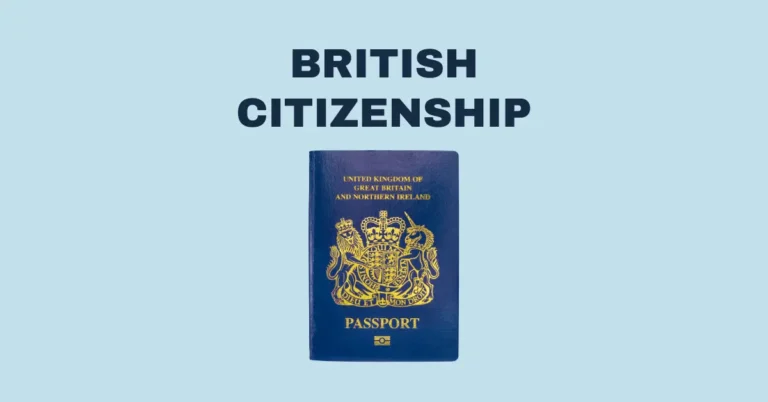
British citizenship offers lifelong residency,allowing you to live, work, study, and access benefits in the UK. Obtain a British passport and learn about citizenship requirements, fees, and processing times.
Connect with our immigration lawyers for a free phone consultation at +44 (0) 333 577 0034 or fill out our contact form.
British citizenship gives you the permanent, unconditional right to live, work and remain in the United Kingdom. Unlike a visa or even Indefinite Leave to Remain, citizenship cannot expire — and it gives you the right to hold a British passport, vote in all elections, and pass your status to your children.
There are several routes to becoming a British citizen. The right one for you depends on your personal circumstances — whether you were born in the UK, have British parents, are married to a British citizen, or have built your life here over a number of years. Our immigration lawyers help clients identify the correct route and prepare applications that meet the Home Office’s strict requirements.
If you are unsure which route applies to you, use our eligibility guide below or contact us for a free assessment.
The Four Routes to British Citizenship
There are four main pathways to British citizenship. Each has different eligibility criteria, required documents and application processes.
British Citizenship By Birth
If you were born in the United Kingdom, you may already be a British citizen — but not everyone born here qualifies automatically. Whether you are entitled to citizenship by birth depends on when you were born and the immigration status of your parents at the time. This route may apply if: You were born in the UK before 1 January 1983You were born in the UK after that date and at least one parent was a British citizen or had settled status at the time of your birth Find out if you qualify → British Citizenship By Birth
British Citizenship By Descent
If you were born outside the United Kingdom but have a British parent — or in some cases a British grandparent — you may be entitled to citizenship by descent or be eligible to register as a British citizen. This route may apply if: You were born abroad and one or both of your parents held British citizenship at the time of your birthYou are an adult who has lived in the UK for at least three years and had a British grandparent Find out if you qualify → British Citizenship By Descent
British Citizenship By Marriage
If you are married to, or in a civil partnership with, a British citizen, you can apply to become a British citizen through naturalisation after living in the UK for at least three years. This route has specific absence rules and requires you to demonstrate a genuine, ongoing relationship. This route may apply if: You are married to or in a civil partnership with a British citizenYou have lived in the UK for at least three yearsYou meet the absence and good character requirements Find out if you qualify → British Citizenship By Marriage
British Citizenship By Naturalisation
Naturalisation is the standard route for people who have lived in the UK for five or more years and hold Indefinite Leave to Remain (ILR) or EU Settled Status. It is the most common pathway for those who have built their lives in the UK through work, family or long-term residence. This route may apply if: You have lived in the UK for at least five yearsYou hold ILR, EU Settled Status or Indefinite Leave to EnterYou have held settled status for at least 12 months before applying Find out if you qualify → British Naturalisation
Which Route Applies to You?
Not sure where to start? Answer these three questions to find your route.
Becoming a British citizen is one of the most significant steps you can take in your life in the UK. Here is what it means in practice.
A British Passport Visa-free or visa-on-arrival access to over 185 countries. Travel to and from the UK with no immigration restrictions, ever.
Permanent, Unconditional Status Unlike ILR, citizenship does not lapse if you spend extended periods abroad. It is yours for life, regardless of where you choose to live.
The Right to Vote Vote in all UK elections — general elections, local elections and referendums. Not available to most visa holders or ILR holders.
NHS and Public Services Full, unrestricted NHS access with no Immigration Health Surcharge on future applications.
Citizenship for Your Children In most cases, British citizens can pass citizenship to children born abroad — your family’s connection to the UK is preserved.
A British Identity For many of our clients, citizenship is a recognition of the life they have built here. The ceremony marks the moment that connection becomes permanent.
Is it possible to contest a denied British citizenship application?
Challenging a rejected UK citizenship application is permissible if your refusal letter specifies your right to appeal. However, not all applicants possess this appeal right. In the unfortunate event of a Home Office refusal, rest assured that alternative options usually remain accessible. Understanding the precise grounds for your application’s denial, as outlined in your refusal letter, is crucial. Seeking guidance from an immigration solicitor with expertise in citizenship application denials is advisable. If your citizenship bid faces rejection, don’t hesitate to connect with our supportive immigration solicitors at +44 (0) 333 577 0034 at your earliest convenience.
How JPS Immigration Can Help
British citizenship applications are subject to strict eligibility rules, detailed evidence requirements and a thorough good character assessment by the Home Office. Errors or incomplete documentation are among the most common reasons for delays and refusals.
At JPS Immigration, we are IAA-regulated immigration lawyers with extensive experience in all British citizenship and nationality applications. We are run by former UK visa and diplomatic officials, and we work with clients across the UK and worldwide through secure online consultations.
Prefer to apply directly via GOV.UK? We can still advise you on eligibility and documents before you submit.
We can help you with:
Identifying the correct citizenship route for your circumstances
Assessing whether you meet the residence, absence and good character requirements
Preparing and reviewing your application before submission
Responding to Home Office queries on your behalf
Advising on what to do if your application has been refused
Our fees are fixed and transparent. We offer a free initial assessment so you can understand your options before committing.
Start Your Free British Citizenship Assessment Find out which citizenship route applies to you and whether you are eligible to apply. Our immigration lawyers will review your circumstances and advise you on your next steps — with no obligation. Call us: +44 (0) 333 577 0034 Email: mail@jpsimmigration.com Online: jpsimmigration.com/assessment/JPS Immigration is authorised and regulated by the Immigration Advice Authority (IAA). Company No: 6688442.
Frequently Asked Questions
Can I hold dual citizenship — British and another nationality?
The United Kingdom generally permits dual citizenship, which means you can hold a British passport alongside the passport of another country. However, whether your current country of nationality allows this is governed by that country’s own laws. Some countries — including India, China and several others — do not permit dual nationality, which means applying for British citizenship may require you to renounce your existing citizenship first. We recommend taking legal advice before applying if this applies to your situation.
How long does it take to get British citizenship?
The Home Office aims to process straightforward British citizenship applications within six months, though many are decided in three months or less. Complex cases — including those involving gaps in residence, significant absences abroad, or good character concerns — can take longer. Once your application is approved, you will be invited to attend a citizenship ceremony in your local area, which you must complete within three months of receiving the invitation.
Can I lose British citizenship once I have it?
In the vast majority of cases, British citizenship is permanent. However, the Home Office has the power to deprive a person of citizenship in exceptional circumstances — primarily where it would not leave the person stateless, and where it is considered conducive to the public good, typically in cases involving serious criminal conduct or fraud in the application process. For the overwhelming majority of applicants, this is not a realistic concern.
Do I need to take the Life in the UK Test to get British citizenship?
Most adults applying for British citizenship through naturalisation — including through marriage — are required to pass the Life in the UK Test. The test covers British history, culture, values and everyday life. Exemptions apply if you are under 18, aged 65 or over, or have a physical or mental condition that prevents you from taking it. Citizens of certain English-speaking countries are exempt from the separate English language requirement, but the Life in the UK Test is a separate assessment.
What happens if my British citizenship application is refused?
If the Home Office refuses your citizenship application, the refusal letter will explain the reasons for the decision. Unlike visa refusals, most citizenship refusals do not carry a right of appeal to a tribunal. However, you may be able to request a review of the decision, or reapply once the issue that led to the refusal has been resolved. Seeking advice from an immigration lawyer before reapplying is strongly recommended, as a second refusal on the same grounds can make future applications more difficult. Contact Our Team.