



































A genuine relationship and a sponsor who comfortably meets the income requirement is not, on its own, enough for a Spouse visa to succeed. The Home Office applies “specified evidence” rules under Appendix FM-SE, which set out exactly which documents are acceptable, in what format, and covering what time period — for every part of the application. Get the substance right but the paperwork wrong, and the outcome is still often a refusal. This checklist walks through what’s actually required, category by category.
1. Relationship evidence
You need to show your relationship with your partner is genuine and subsisting, not just that a marriage or civil partnership took place. Useful evidence includes:
- Your marriage or civil partnership certificate (with a certified translation if not in English)
- Evidence you’ve met in person — photographs, travel records, boarding passes
- Evidence of ongoing contact if you’ve spent time apart — messages, call logs, video call records
- Evidence of shared responsibilities — joint bills, joint tenancy or mortgage, joint bank accounts, correspondence addressed to both of you at the same address
- Evidence of family involvement — wedding photographs, evidence family and friends are aware of the relationship
2. Financial evidence
This is the area that causes the most refusals, largely because the correct evidence depends entirely on the sponsor’s income type. Appendix FM-SE sets out several categories:
- Category A — salaried employment, in the same job for at least 6 months before applying
- Category B — salaried employment for less than 6 months in the current job, or income that varies (for example, includes commission or bonuses)
- Category C — non-employment income (for example, property rental income, dividends)
- Category D — cash savings held for at least 6 months
- Category E — a UK state, occupational, or private pension
- Category F — self-employment, sole trader, partnership, or franchise, based on the last full financial year
- Category G — self-employment or company directorship, based on the average of the last two full financial years
If the sponsor’s income comes from more than one source, or from self-employment, getting the category right matters enormously — applying Category A evidence rules to a Category B or F situation is one of the most common (and avoidable) reasons applications are refused. We cover the self-employment categories in detail in our guide to Category F vs Category G self-employment income, and the income threshold itself in our UK Spouse Visa Financial Requirement guide.
Typical documents required, depending on category, include:
- Payslips covering the specified period, corresponding exactly to deposits shown on bank statements
- An employer’s letter confirming gross annual salary, employment start date, job title, and the basis of pay
- Personal bank statements covering the specified period, with no unexplained gaps
- For the self-employed: SA302 tax calculations and tax year overviews from HMRC, company or business accounts, and where relevant, evidence of a business bank account
- Full details of any cash savings, including where the funds came from and evidence they’ve been held for the required period
Format matters here as much as content. Bank statements with gaps in coverage, final statements dated more than 28 days before the online application, or payslips that don’t correspond to the bank deposits shown are all treated as evidential failures — the Home Office is not obliged to ask you to fill the gap before refusing.
3. English language evidence
Unless exempt (for example, if you’re a national of a majority English-speaking country, or hold certain academic qualifications taught in English), your partner will need to pass an approved English language test at the required level, or hold a degree taught in English that’s been verified as equivalent. Evidence should include the original test certificate from an approved provider.
4. Accommodation evidence
You’ll need to show that where you plan to live in the UK is adequate for your household without being overcrowded, and that you’re entitled to live there — for example, a tenancy agreement, mortgage statement, or Land Registry title if the property is owned. If you’ll be staying with family or friends initially, a letter of consent from the property owner, along with evidence of their right to occupy the property, is usually needed.
5. Identity and immigration history documents
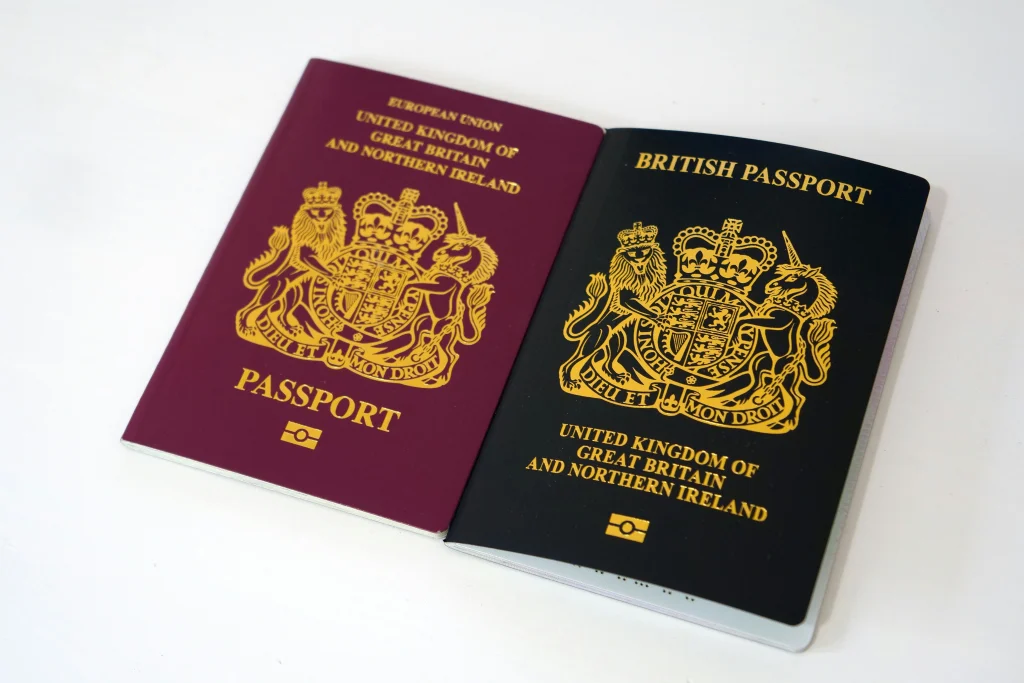
- Valid passports for both partners
- Any previous visas, biometric residence permits, or evidence of immigration status
- Evidence of any previous marriages having legally ended (decree absolute, final divorce order, or death certificate)
- A TB test certificate, if the applicant has spent time in a country on the Home Office’s required testing list
6. Translations
Any document not in English or Welsh needs a certified translation, produced by a translator or translation company who confirms it’s an accurate and complete translation of the original, along with their credentials and contact details. A translation without this certification is often treated as if it wasn’t provided at all.
The general rule that trips people up most
Appendix FM-SE governs not just what you must prove, but exactly how you must prove it — the specific documents, the exact time periods they must cover, and the format they must be in. A genuinely strong case can still be refused if the evidence doesn’t match these technical requirements, because Home Office caseworkers apply the specified evidence rules strictly and have limited discretion to overlook gaps. This is different from most everyday paperwork — “close enough” genuinely isn’t, in most cases, close enough.
Before you submit
Because so much of a spouse visa outcome depends on evidential formatting rather than eligibility itself, it’s worth having your document bundle reviewed against Appendix FM-SE before you apply — particularly if any part of your finances is more complex than a single salaried job with a stable employer. For a broader look at what typically goes wrong, see our guide to common reasons UK spouse visa applications are refused.
JPS Immigration prepares Spouse visa applications for clients across the UK and internationally. Start your free family visa assessment or contact our team to have your evidence checked before you submit.
This article reflects Appendix FM-SE requirements as at September 2026. Evidential rules are detailed and change periodically — always confirm the current requirements on GOV.UK or with a regulated adviser before applying.